3 ways news organizations can collaborate with youth, schools
Jan Ross P. Sakian, American Press Institute,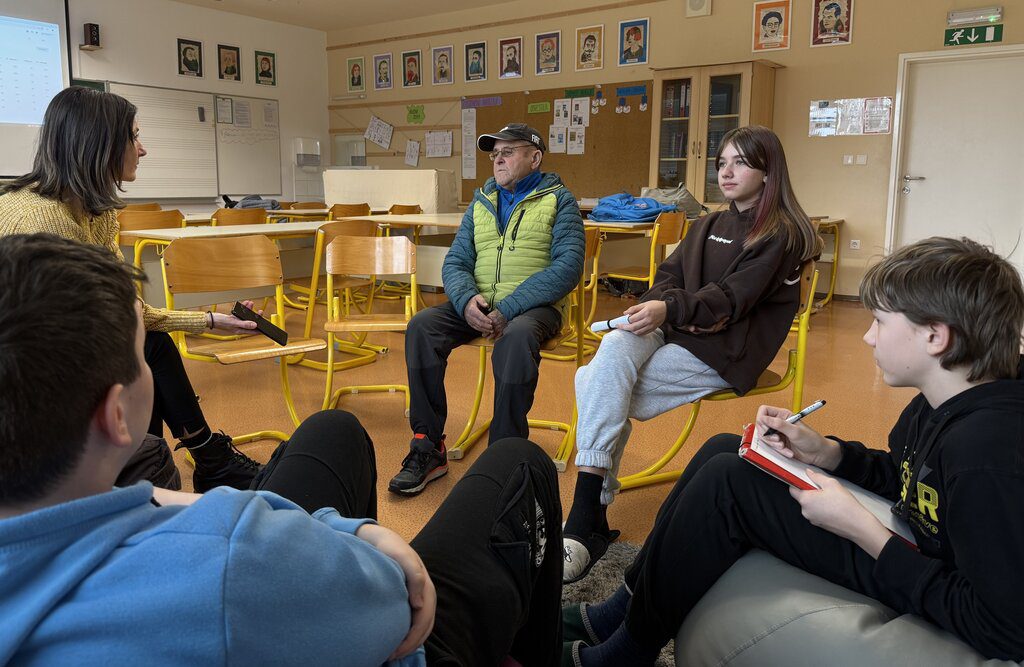
Eighth graders from Črni Vrh Elementary School interview local resident Pavle Čuk. (Saša Petejan/Časoris)
Here’s an idea to steal and adapt: Work with local schools to help students develop journalistic skills.This article on Better News highlights takeaways from the American Press Institute’s partnership with Global Youth & News Media’s 2025 Journalism Awards.
These insights come from Časoris in Slovenia, the Bay City News Foundation with Contra Costa Youth Journalism in the United States, and The Westsider with RMIT University in Australia.
More ideas from API on how journalism can bring generations together:
How can youth help local journalism survive and thrive?
Global Youth & News Media explored this question in its 2025 Prize for Journalism. The organization received dozens of entries from around the world from local news outlets that collaborated with young people to strengthen journalism in their communities.
The Prize awarded collaborations with clear, transferable ideas and the potential to be replicated by other news organizations. API Community Manager Jan Ross Sakian served on the Journalism Prize jury and spoke with three news leaders who shared insights on how they successfully managed projects with local schools and educators.
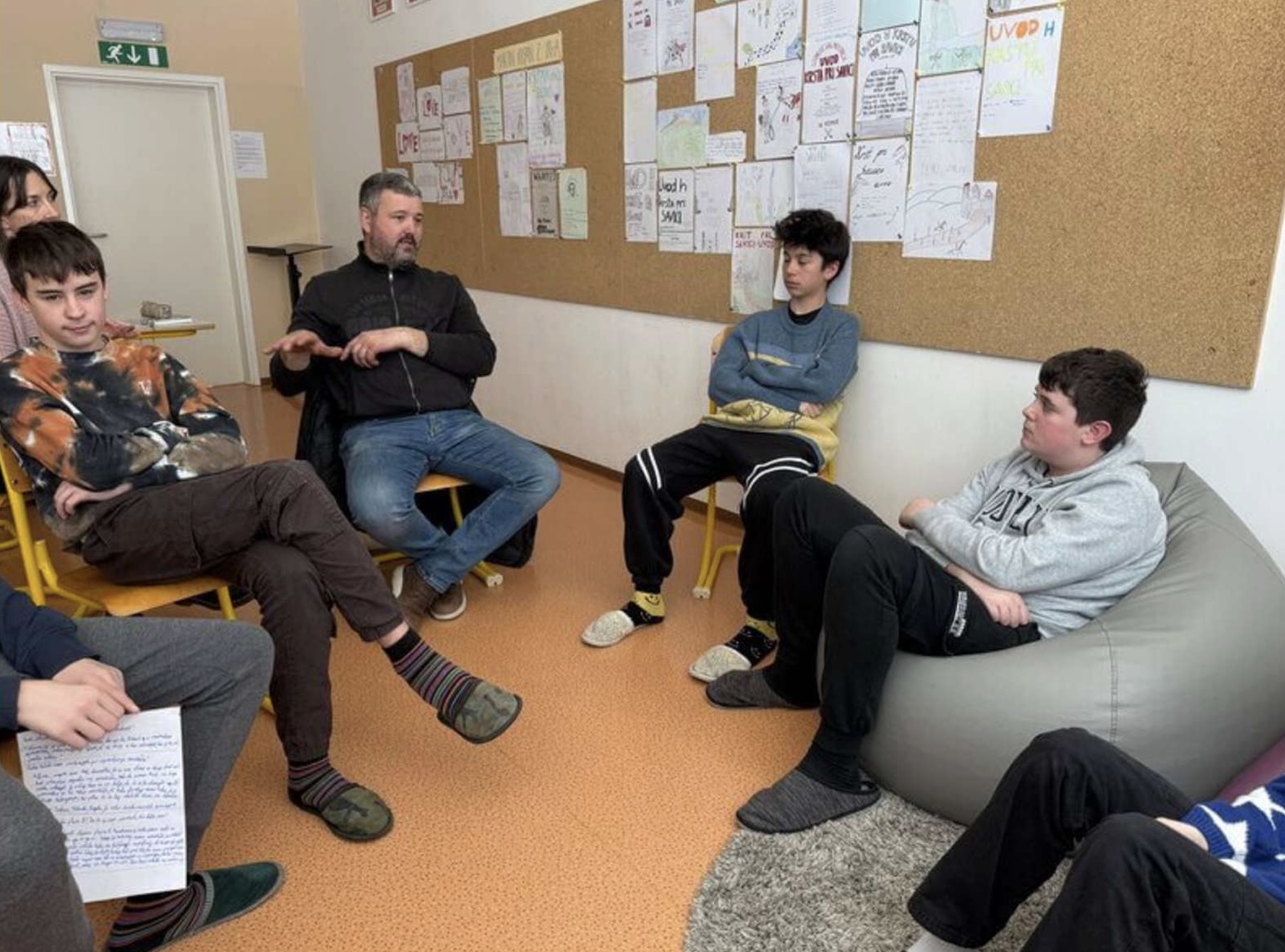
Students interview Gregor Rupnik, a local leader in the Črni Vrh community. (Saša Petejan/Časoris)
Embed community journalism into schools
Časoris, a free online newspaper for children in Slovenia, worked directly with a rural school to design a mentorship program that introduced students to journalism through civic education.
As part of a larger YoCoJoin project co-funded by the EU, journalist Saša Petejan worked with about 30 students across five schools. Students learned how to research and write news stories, developing media literacy and critical thinking skills.
Guiding a wide age range of students from fourth through ninth grades, Petejan encouraged students to have fun and choose topics of importance to them and their peers. She said the project created an “editorial board” within each of the participating schools, sparking conversations about the community.
“I was a colleague, and they were directing the editorial board meetings,” Petejan said. “I was then facilitating what they were bringing in and telling them how they can proceed.”
Students at Črni Vrh Primary School worked together to write and report on assignments, producing eight articles published online by Časoris.
Advice for others: “Start small and stay consistent, because working with children who are curious by nature requires more facilitation. [It’s] a balance of theory and engagement, but I constantly let them express what they are interested in, what they find concerning or important for them, and then we develop conversations. The second step was immediately creating questionnaires for their peers to find out what they think about a certain topic. And then we did the research. We connected with the local community, people who could provide answers. We interviewed and spoke and presented our findings to a mayor, for example.”
Overcoming challenges – Measuring impact with students: “At the beginning, I began with questions: Why do we need journalists? Where do you need journalists?… The [response at] the beginning was very low. At the end of the process, it rose, and I almost repeated the same questions just to see the difference we will make with the mentoring program… What I found out: Young people don’t like answering descriptive questionnaires. So it was really painful to get any answers, but I received some [responses] and they were all positive.”
What contributed to the project’s success:
- “What I learned is that children in elementary school don’t perceive journalism as an independent profession, but as teamwork. So we were always working. They chose from the beginning to work as a team. So I was then supporting this atmosphere of teamwork and the practical experience.”
- “When they did something, I gave them feedback. Sometimes even recorded a video (recorded feedback) if we didn’t meet in person immediately, but I was trying to constantly engage them and give them feedback that they’re doing good work.”
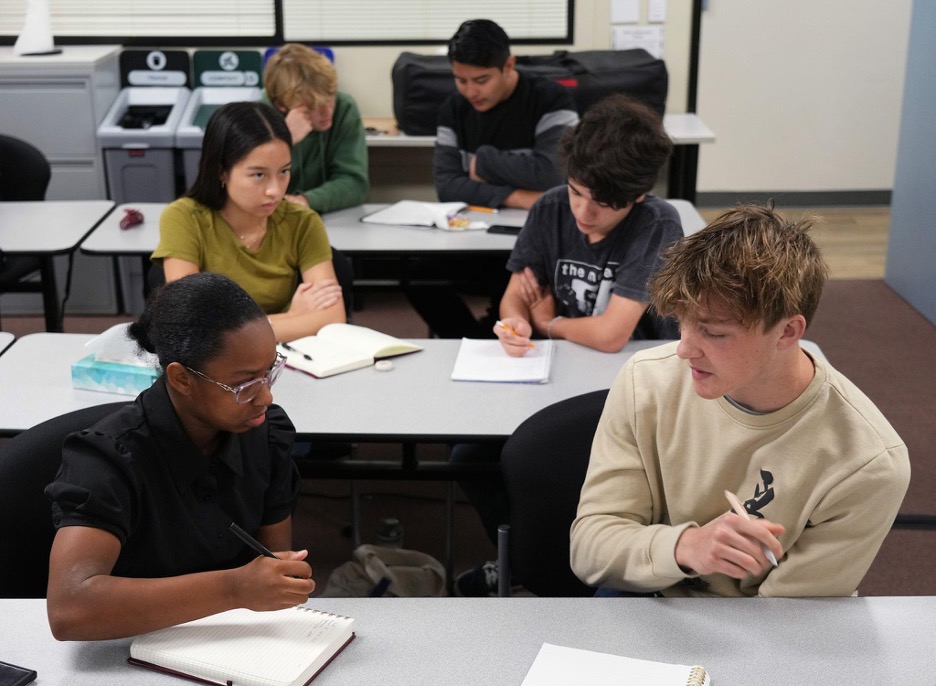
High school students from Contra Costa County, California, work on journalism training exercises during three Saturday workshops. (Raymond Saint Germain/Bay City News)
Empower and amplify student reporting
The Contra Costa Youth Journalism program serves high school students in underrepresented school districts within the San Francisco Bay Area. The program launched in 2024 and grew into a full year program in 2025, serving a cohort of 21 students.
With support from the Contra Costa Office of Education, the program selects students who learn journalism basics through boot camps, monthly editorial meetings and with the help of writing coaches. During the program, each student produces at least 3 stories, which are professionally edited then published on Local News Matters or cross-posted to other news sites. Students who complete their 3 stories are allowed to pitch a fourth project in a different medium such as a podcast or photojournalism essay.
According to Program Coordinator Bruce Koon, their model shows that high school students — when motivated and trained — can become civically engaged individuals who can report reliably on their neighborhoods.
“At a time when local news is under attack and under shortages, the fact of the matter is, this is a resource because they are more than capable of learning journalism and going out and covering their community,” he said.
Advice for others: “I think the number one advice in any kind of program like this: You’re going to have to recognize what you don’t know. Either learn it yourself, or seek the expertise to move into this world of training and educating young people. Number two is: You’re going to have to make some real commitment and, quite frankly, sacrifices. You may have to sacrifice some short-term goals in order to take this time to connect with the local schools to get that expertise that’s needed so that the program you’re implementing has a chance of succeeding.”
Overcoming challenges – Connecting with educators: “When I started this program, we were going to work directly with the kids, the students, and I discovered I still needed to understand what the teachers were doing and what the schools were doing. So I had to take a lot of my personal time to network, to go out to them. And they were very busy people. I’ve heard journalists say, ‘I offered all this help and they didn’t respond.’ Well, they’re existing in a world of limited time and things cramming on you as well. You have to take that extra step and be part of the recruitment that goes and does that outreach.”
What contributed to the project’s success:
- “We’ve been able to get some grants because we pitched this as youth empowerment, as youth training — the fact that we’re helping them develop career paths and then tied that to the importance of how they’re serving the community with news and reportage and civic engagement. They [similar programs] have to think outside of just journalism, and that’s part of what collaboration will bring to the table.”
- “We’ve been tapping into retired journalists, as well as teachers and current journalists, who want to be involved in youth [education] and help with the preservation and the future of what we’re trying to accomplish.”
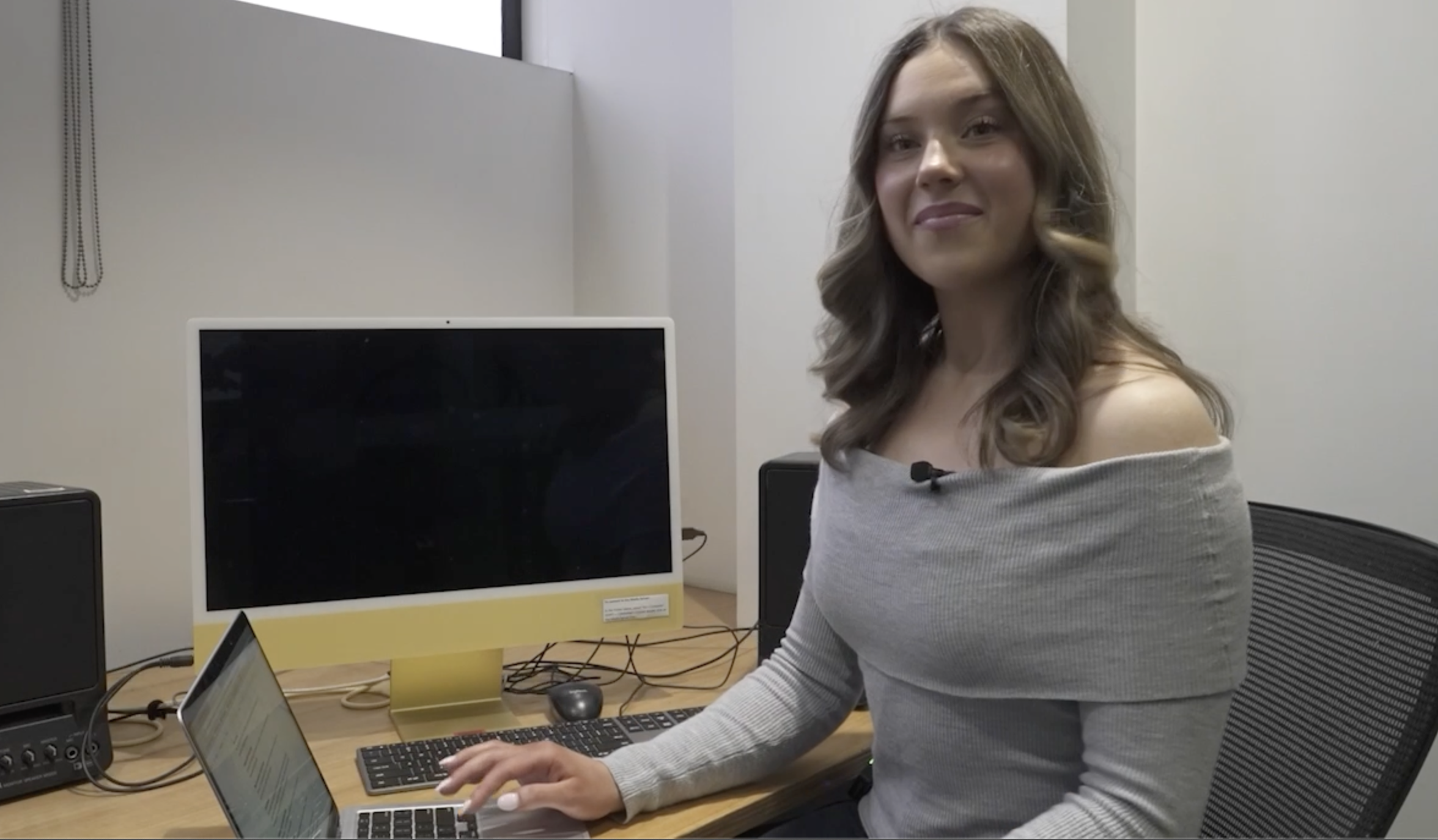
RMIT Journalism student Ella Rusmir works on the joint Westsider-RMIT local government election 2024 Special Edition supplement. (Courtesy of Josie Vine/RMIT University)
Activate student journalists ahead of elections
The Westsider, a community-run hyperlocal newspaper in Melbourne, Australia, worked with first-year RMIT Journalism students to produce a local elections guide in 2024.
Seventy-two college students contacted candidates running for local council, asking them a standard set of questions — curated from The Westsider’s community canvassing — and for a photo to add to candidate profiles for print and online.
Josie Vine is a volunteer local government reporter with The Westsider and Journalism Program Manager in the School of Media and Communication at RMIT University. She initially pitched the opportunity to her first-year journalism students as a chance to develop their portfolio.
“Of course, underpinning that was: Here’s a chance to see the role of journalism in democracy in action, and you’re going to be key to that,” Vine said. “I think the realization that they actually were part of the democratic process came later on, after it had been published.”
Advice for other journalism educators: “If you’ve got a hyperlocal not-for-profit media outlet in your area, please reach out, because they’re desperate for human resources, manpower… It’s truly a learning opportunity, and it’s really contributing and servicing your community. And it doesn’t have to be journalism [students]. It can be students studying business or students studying PR or marketing or graphic design. These hyperlocals need contributions from all sectors.”
Overcoming challenges — Delayed responses from sources: “It surprised me that candidates who didn’t respond to students once it had been published [in print] first… All of a sudden, those who didn’t respond to the students were getting back to us and demanding to be in this election edition. So we profiled them and we put them up on the online edition.”
What contributed to the project’s success:
- “We had 255% more views on that [elections] page than a regular edition. So what I’ve learned is that local areas are hungry for local, independent journalism. They could have got this information from the local candidates themselves. They were on Facebook and all over social media, but what people really wanted was something to inform them that didn’t have an agenda and was independent and basic grassroots journalism.”
- “We’ve got a great relationship with The Westsider. We actually do quite a bit of work with them. They’re part of our internship program. So I think that was absolutely key: Having a very clear idea of what we wanted to achieve and agreeing on what we wanted.”